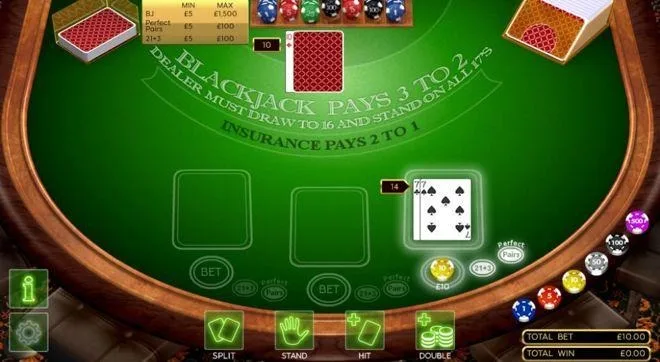
When a player sits down at a blackjack table, there's often this bright "21+3" logo on the felt that wasn't expected by them, while the person next to them keeps sliding chips onto it. Most newcomers have no clue what it means, but the payout cards showing "100 to 1" spark curiosity for them as well. So here's the question that everyone wants to be answered: how to beat 21+3 blackjack, or is it just another way to lose money faster?
What are Side Bets?
Blackjack side bets explained in simple terms; they're optional wagers sitting next to the main bet. Perfect Pairs, Lucky Ladies, 21+3 all of them promise bigger payouts and more action. But the problem here lies is that they come with house edges way higher than regular blackjack. Basic strategy gives the casino around 0.5%, but side bets can push for 5% or more. Players see those blackjack payout odds like "9 to 1" and completely forget about the math behind it.
21+3 Side Bet: Explained
The 21+3 side bet is basically poker mixed into blackjack. A player's first two cards plus the dealer's upcard make a three-card poker hand. If they form a flush, straight, three of a kind, straight flush, or suited trips, the player wins. These suited trips however, they almost never hit, which is why it pays something insane like 100 to 1. The other combinations pay less but happen more often. Understanding blackjack payout odds for each combination matters more than most people realize.
21+3 Bets: Roadmap to Playing Smarter
Again, just like in most casino games, here also no magic formula exists for a winning 21+3 side bet strategy. Anyone selling a guaranteed system is straight up lying to the players. But players can approach it smarter. First, they should know the exact payouts at their table; they vary by casino. Second, keeping bets small and consistent helps. Winning once doesn't mean someone should immediately triple their bet thinking they're on a streak.
Some experienced players pay attention to deck composition as part of their 21+3 side bet strategy. If barely any suited cards have shown up, there's proportionally more left in the shoe. Same logic for straights; if tons of low cards have been dealt, middle and high cards become more concentrated. This isn't traditional card counting, just basic observation that slightly improves odds.
Most people lose because they mismanage money, not because they're unlucky. Players should set aside maybe 5-10% of their total bankroll for side bets. If someone brought $500, only $25-50 should touch 21+3 all session. Once it's gone, they should be done with the bets. No revenge betting after three losses in a row because emotional gambling always loses.
Conclusion: Managing bankrolls and money
For pure profit, sticking to the main blackjack game with basic strategy makes more sense. But if someone's there for entertainment and budgets properly, 21+3 delivers genuine excitement when it hits. Players just shouldn't confuse fun with a money-making strategy, and they are good to go with the game.
FAQs
How to win a 21-3 side bet?
You win if your first two cards and the dealer's upcard make a poker hand like a flush, straight, or three of a kind.
Is 21-3 a good bet?
It's fun but risky since the house edge is higher than regular blackjack.
What are the odds on the 21 3 side bet?
Payouts usually range from 5:1 to 100:1, depending on the combination.
What is the 777 rule in Blackjack?
It is a rare bonus where getting three 7s of the same suit can trigger a special payout or jackpot.

Casino
Play the Best Real Money Online Casino Sites in 2026
Jan 6, 2026

Slots
Best Frankenstein Slots Online: Top 10 Games for Horror Slot Fans
Dec 8, 2025

Poker
Best Strategies for Winning Bomb Pots in Live & Online Poker
Dec 12, 2025